
(If this message does not format properly in your email - please click the “Read in App / View in Browser” above, top right).
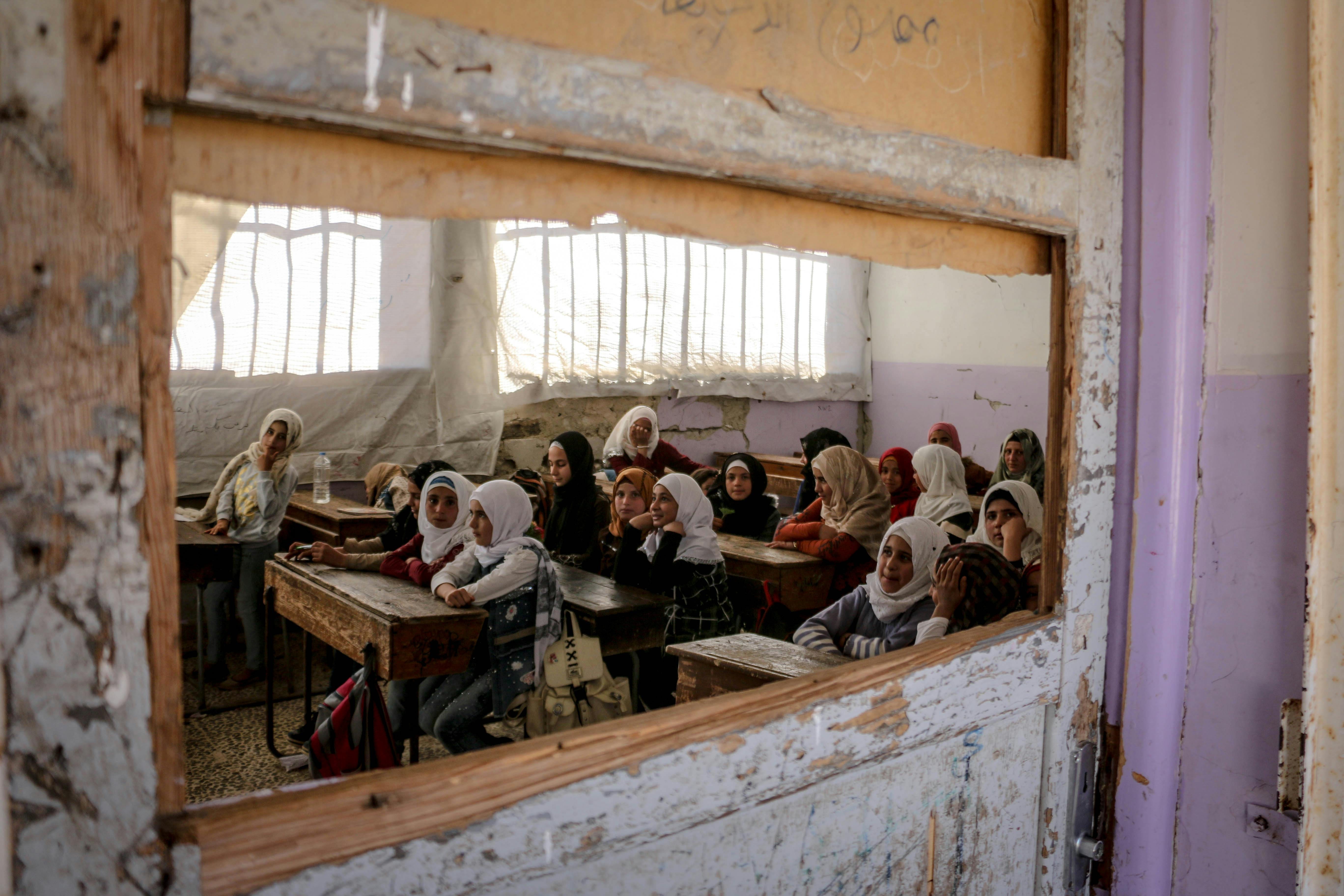
Quote of the Month
To educate girls is to reduce poverty
Kofi Anan
Introduction
My guest piece this month is by Dr. Sharon Tao, Founder and Director of Level The Field, and previously Education Director of the FCDO funded Girls’ Education Challenge (GEC) 2020-2024 (in which role we also worked together at Cambridge Education).
Sharon has been deeply immersed in fighting for girls’ education, gender equity and social justice for decades. Her thoughtful analysis assesses why girls’ education has slid off the international agenda and what should be done to bring it back to the centre of focus.
Andy Brock, June 2026
The History / Herstory
A decade ago, girls’ education sat at the centre of international development. It was difficult to attend a major education conference, donor meeting or global summit without hearing commitments to girls’ learning. Governments competed to demonstrate leadership. New funding streams emerged. Large-scale programmes were launched. Champions spoke confidently about transforming the lives of millions of girls.
Today, the mood is very different.
At a time when nearly 133 million girls remain out of school and millions more face harmful gender norms that limit their learning, support for girls’ education is receding. Whilst this is often explained by shrinking aid budgets, funding tells only part of the story.
The decline of girls’ education is the result of deeper political, symbolic and discursive shifts, which have coincided with, and have often resulted in, reduced funding. These powerful forces once propelled girls’ education to the forefront of international development but now, as they recede, they are pushing it off the agenda at a remarkable speed.
When the Stars Aligned
Over a decade ago, these same forces were aligned. Financially, investment was growing. In the US, the Obamas spearheaded the Let Girls Learn initiative. In the UK, the Girls’ Education Challenge spanned £855m, 12 years and 17 countries. Such programmes reflected both the ambition and confidence of the period. Girls’ education was no longer an afterthought - it was a flagship development priority.
Symbolically, girls’ education enjoyed an unprecedented level of political visibility. In the UK, girls’ education had high-profile champions amongst Prime Ministers and Special Envoys. FCDO’s Education Cadre sat within the ‘Girls’ Education Department’ - a telling signal that institutionally, ‘education’ and ‘girls’ education’ were synonymous. Globally, the UN’s dedicated Girls’ Education Initiative (UNGEI), drove leadership on girls’ education across the global development agenda. Such attention and clout resulted in girls’ education featuring prominently in G7 commitments, Women and Girls strategies and global policy discussions.
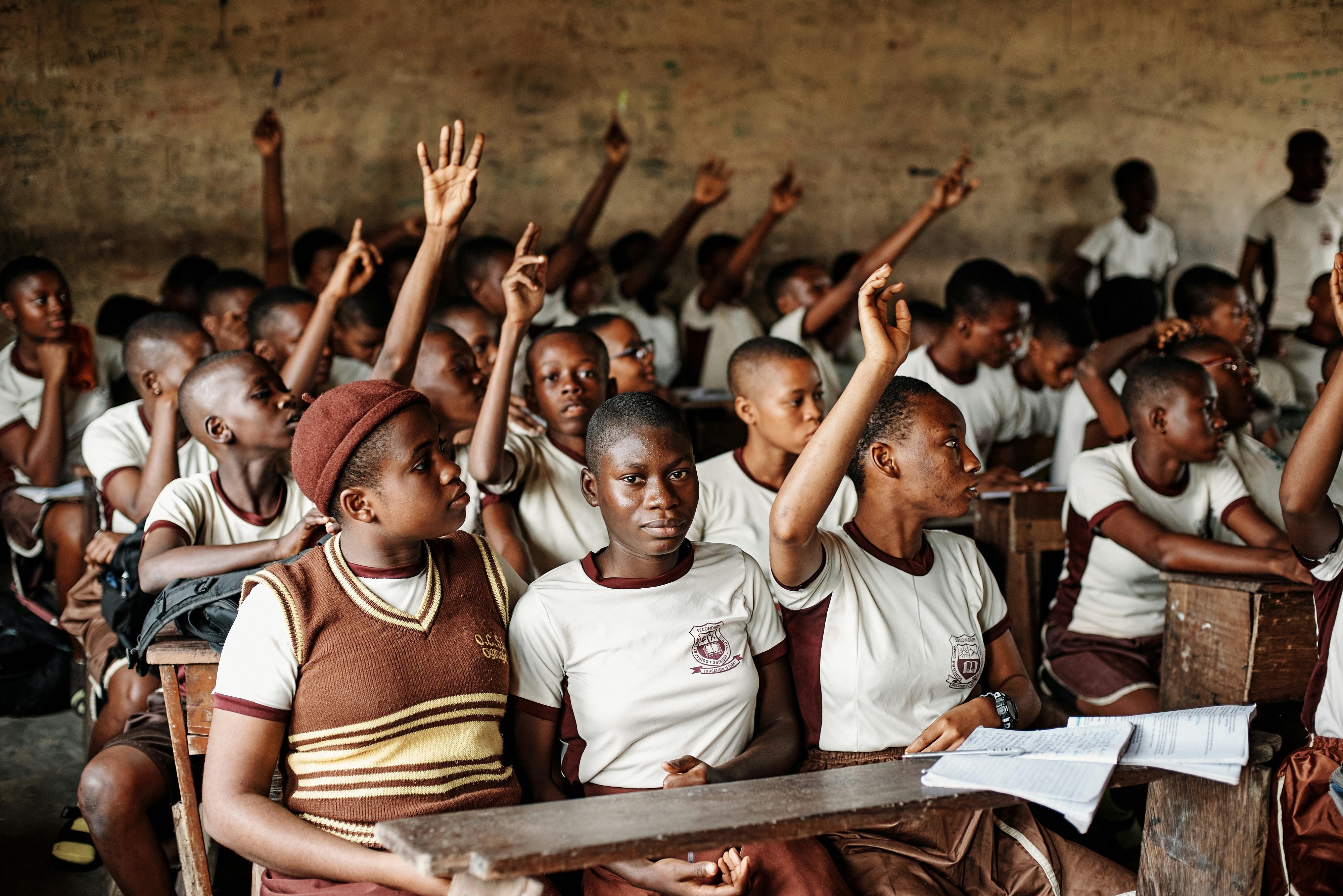
Discursively, there was broad consensus that educating girls represented one of the smartest investments countries and donors could make. The evidence base linking girls’ education to economic growth, improved health outcomes, reduced poverty and greater peace and security was widely accepted. The question was no longer whether girls’ education mattered, but how quickly progress could be accelerated.
As a term, ‘girls’ education’ became shorthand for gender equality, human rights and social justice - a banner for advancing the rights of the most disadvantaged. Yet these broader ideals also became obscured when collapsed into a catch-all phrase. And the increasingly literal interpretation of girls’ education as meaning all girls, rather than those facing the greatest barriers, planted the seeds for future backlash.
That said, these financial, symbolic and discursive forces reinforced one another. Political leadership directed funding. Funding generated evidence and results. Evidence strengthened the public narrative. Together they created momentum. That momentum however, has now stalled.
The Financial Retreat
The most visible shift away from girls’ education, particularly over the last two years, has been financial. Across much of the donor landscape, global development budgets have significantly reduced due in part to the dismantling of USAID and a contraction of ODA budgets across G7 donors. But, the challenge is not simply that aid budgets are shrinking - the rationale for aid is also changing.
Amid rising populism, economic uncertainty and existential threats, governments face mounting pressure to demonstrate how public funds benefit national interests. In this environment, business cases are increasingly expected to demonstrate tangible returns to security or trade, rather than broader commitments to social justice. The irony is that ample evidence links girls’ education to security and trade objectives. But these outcomes are indirect and realised over the long-term, making girls’ education programming the first to be deprioritised when budgets contract.
But, not all donors are retreating. GPE’s Girls’ Education Accelerator remains intact for countries where girls fall furthest behind. Yet GPE’s recent 2030 Strategic Plan signals a shift - gender has moved from a standalone priority to one dimension within a broader intersectionality lens. This is not inherently problematic, but it does mark a symbolic repositioning : girls’ programming is now part of an intersectional framework rather than a discrete priority.
The Symbolic Retreat
Less visible, but arguably just as important, has been a symbolic retreat. Dedicated girls’ education departments, both amongst donors and within ministries, have been reduced or absorbed into broader portfolios. High-profile leadership positions have been discontinued. Agencies that once played important global agenda-setting roles, have been scaled back. This reflects more than bureaucratic reorganisation. It signals a broader shift in what these organisations value and wish to be seen championing.
Today, international development no longer occupies the same place in public debate, and social justice abroad has become a less visible marker of political leadership than it once was. The result is not necessarily an explicit rejection of girls’ education. Rather, it is a gradual erosion of visibility.
This matters because development agendas are shaped by champions. They require individuals and institutions willing to invest social capital, build coalitions and maintain attention over time. But, in recent years, many of the symbols that once elevated girls’ education, have quietly disappeared. As a result, girls’ education increasingly risks becoming an ongoing responsibility but nobody’s priority.
The Discursive Retreat
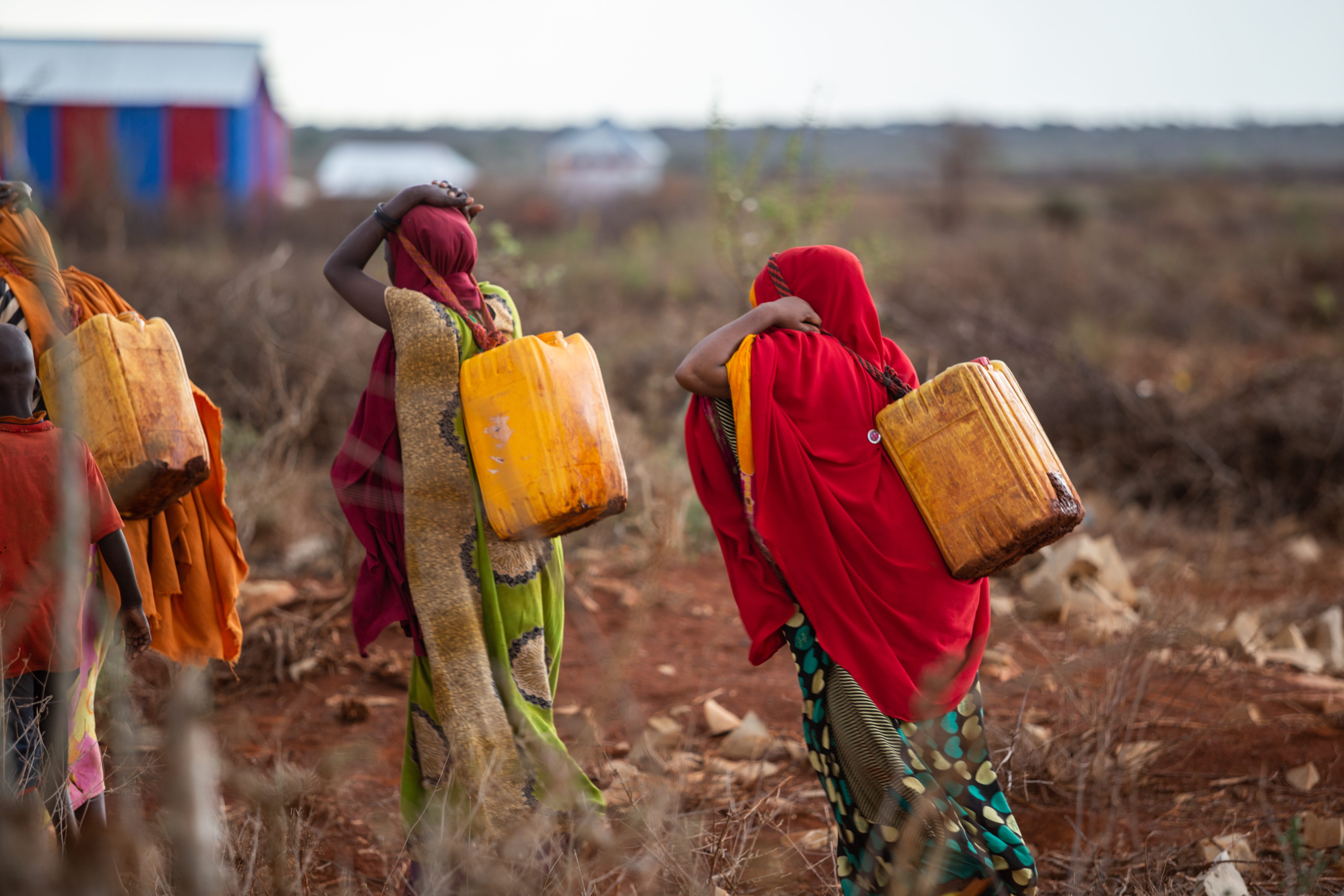
Perhaps the most significant shift is occurring in the realm of ideas and narratives. Recently, a growing backlash has emerged against girls’ education. Much of this debate begins with the question, “What about the boys?” Yet this question often rests on misunderstandings about both the purpose of girls’ education and the nature of educational disadvantage.
The first is the literal interpretation of ‘girls’ education’ as referring to all girls. Viewed this way, the focus appears unfair: there are many girls who are privileged, complete their education and outperform boys. In reality, girls’ education has rarely been about all girls. It has focused on the most disadvantaged girls - those who, within the same vulnerable groups as boys, face additional barriers shaped by harmful gender norms. This distinction has often been insufficiently articulated, allowing a simplified interpretation to take hold.
A second misunderstanding comes from relying solely on aggregate statistics. National and global data often show girls matching or outperforming boys in enrolment and learning, but these averages mask within-group inequalities. Too often, disadvantaged boys’ outcomes are compared with girls’ aggregate outcomes, rather than those of girls from the same communities. When making comparisons within marginalised groups, the data picture shifts sharply.
Gender norms leave girls with less power, fewer resources, less freedom, and greater risk of sexual violence or early marriage - it is these disadvantages that produce worse outcomes and justify targeted support. Viewed this way, girls’ education is not preferential treatment but an effort to make up for inequalities that leave girls more disadvantaged than boys from similar backgrounds. Unfortunately, this nuance is difficult to capture simply.
Where Next ?
Reversing the current decline in girls’ education will require more than renewed funding. It will require a new narrative capable of realigning financial, symbolic and discursive forces to today’s political and funding environment.
Language is one starting point. If the term ‘girls’ education’ now invites a literal interpretation that obscures its original purpose, then terms such as disadvantaged girls, marginalised girls, or using the growing framing of ‘gender equality in and through education’ may better communicate the underlying objective. The goal is not to defend a label but to preserve the rationale it was intended to convey.
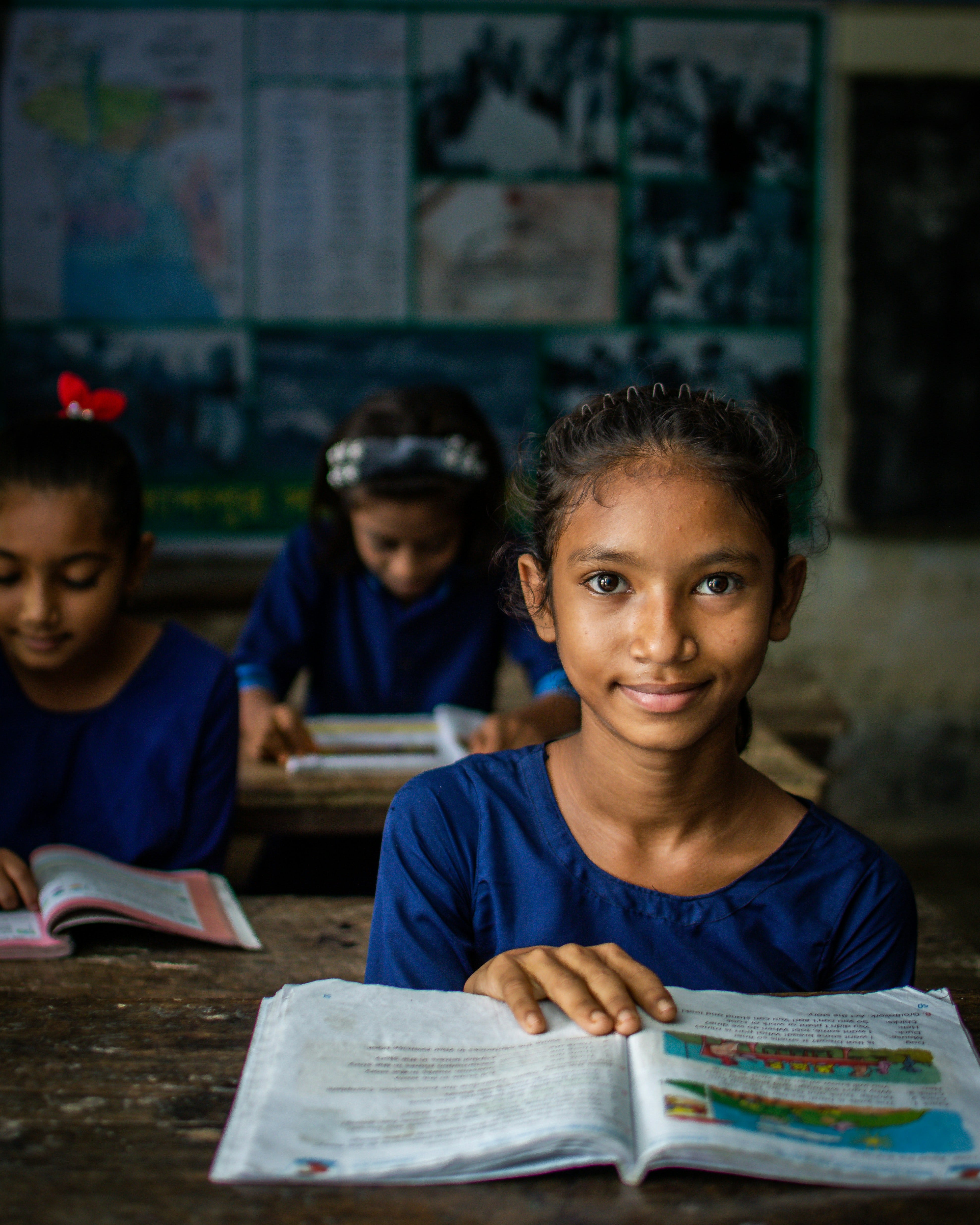
Equally important is recognising why asking “What about the boys?” has become more common. This question often reflects comparisons based on aggregate statistics, which can obscure inequalities within disadvantaged communities. Rather than using aggregate data in isolation, comparisons should also consider the conditions that shape learning : power, respect, resources and safety. The relevant question is whether girls and boys from the same family enjoy these in equal measure.
Different audiences also require different arguments. For donors and policymakers, demonstrating how investments in disadvantaged girls advance broader priorities - economic, stability or otherwise - is likely to be more persuasive than equity arguments alone. Moreover, within priorities like Foundational Learning, improving outcomes for the lowest-performing learners is one of the most effective ways to raise overall outcomes. As marginalised girls are often amongst those furthest behind, they represent some of the greatest potential for learning gains.
The same logic applies to implementation. Supporting disadvantaged girls should strengthen, not sit alongside, existing programmes. Addressing gender-related barriers requires not new resources but intentional adaptation - and in a constrained funding environment - demonstrating that such adaptations improve learning, equity, and value for money is likely to be the strongest case.
These arguments reflect a changing political context rather than a departure from the original ambition. The question is not whether girls’ education can return to the agenda in its previous form, but whether a new coalition and narrative can realign financial, symbolic and discursive support, before another generation of disadvantaged girls is left behind.
Sharon Tao, Director, Level The Field
News
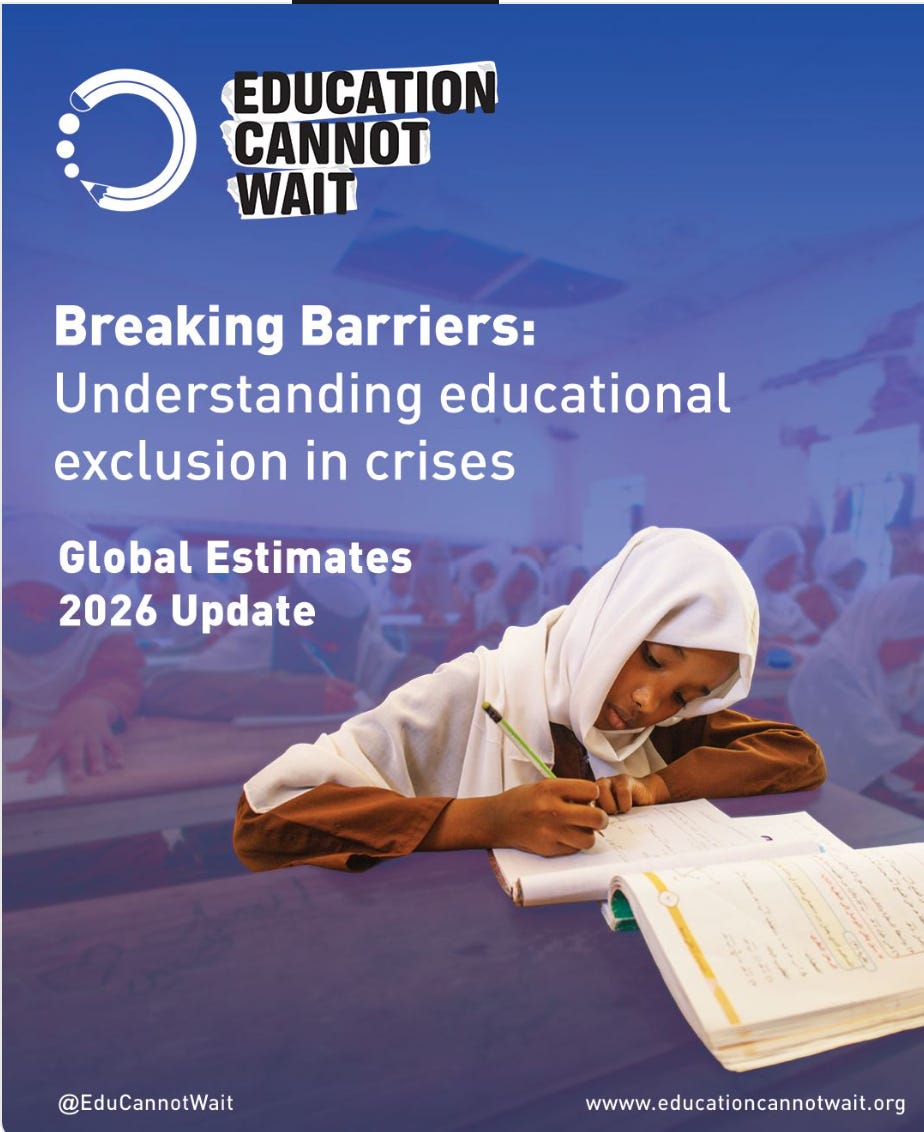
258m children affected by conflict and crises, 93m out of school completely (ECW new report). What’s interesting about Matteo Velenza’s post is this : exclusion is mainly about poverty, displacement acts as a multiplier, conflict kills learning. He concludes :
None of this is visible in a single headline figure. It lives in the breakdowns by displacement status, severity and education cycle illustrated in the report.
It’s that nuance that is important, but it gets lost because it doesn’t fit a neat headline.
The Education Outcomes Fund has produced a 40-page impact report called The Shift. EOF CEO Amel Karboul is quoted saying :
This is no longer boutique experimentation. It is public systems work – with real scrutiny, real accountability, and real fiscal and political stakes.
Given the emphasis on accountability the report is rather coy about producing any concrete examples of cost-effectiveness which you would have thought would be the key feature they’d want to emphasise. EOF may be expanding considerably, but that doesn’t make their model the best fit, just one of the few with funding right now. The issues I raised in Issue 18 seem to remain.
Asyia Kazmi, formerly of Gates and now CEO of WISE has announced the 2026/2027 WISE Prize in Education. $100,000 for initial proof concept, a share of $1m to develop promising solutions further. Details here.
Dr. Natalia Gutaruk, who featured in the Issue #26 piece on education in Ukraine, and who teaches in a school just 40 km from the front line, has been presented an award for Educational Leadership by Osvitoria a Ukrainian NGO. This is a personal award for a person who significantly impacts the development of education and inspires the educational community. Congratulations Natalia !
It’s five years since the Taliban took over in Afghanistan. The impact on girls’ education has been disastrous. Charmagzh, a charity dedicated to educating Afghani girls, has just produced its 2025 Annual Report. Despite the body blow of having to close all their libraries, they have pivoted to exploring alternatives including book clubs and online training. A real testament to resilience and dedication to the cause of girls’ education.
Development
Is education exempt from the right-wing forces shaping many societies these days ? Sumauma, a newsletter that describes itself as “Journalism from the Centre of the World” has a must-read piece this month illustrating how education, and teachers specifically, are being targeted by landgrabbers and those who want to exploit the Brazilian rainforest. It quotes an agribusiness activist as saying “Only dipshits want to be teachers,” and goes on to say :
In Brazil, as in various other parts of the world, attacks on public education and especially the figure of the teacher have become systematic with the advance of the far right—and they were essential to Jair Bolsonaro’s victory in 2018. During that year’s presidential election campaign, Paulo Freire (1921-1997), the greatest educational thinker in Brazilian history, was made a target—more than twenty years after his death.
Frank Cottrell-Boyce is a well-known children’s author and laureate, whose new book A British Childhood: How Our Children Live Now articulates the way childhood has changed and is changing dramatically. In many countries school is a dangerous place, but for some kids in the UK it’s the only safe and caring environment in their lives. In this extract, visiting a primary school in Liverpool, the headteacher warns him :
Oh. And maybe don’t go on about the summer holidays. They hate them.” Say again? “They don’t like the summer holidays.
AI Spy
Not only is China moving fast on development of AI, it’s also moving fast on setting up rules. It recently required labelling of all non-human content ; a ban on AI-human intimate relations under 18 ; a ban on service designed to mislead children. See this post for more detail.
Last month I recommended a podcast discussion with Estonia’s Minister of Education, Kristina Kallas. In late 2025 Estonia trained 3,000 teacher and made a bespoke socratic AI tutor available to nearly all schools and pupils in Estonia. Estonia has decided AI has a place in schools and is defining it’s place and limits. For a good overview see Al Kingsley’s summary.
Rebecca Winthrop, well-known to the education development community, published an article in the New York Times 28th May on how AI is killing creativity in writing (maybe also creative writing). We’re all learning to drive AI – and the first rule of driving is not engage clutch, it’s engage brain.
The Global Coalition for Foundational Learning has set out some outcomes and principles for governments planning to use AI to increase foundational skills. They say :
If used responsibly, with a well-articulated purpose, emerging technologies, particularly generative AI, could help drive faster progress and expand opportunity.
The word “If” is doing some heavy lifting here.
Carl Hendrick writes a very well-researched blog called “The Learning Despatch”. At the end of May he published a dense, slightly ascerbic, but fascinating take down of “brain-based-learning” and the current tendency to ask that AI be more human-like, the opposite of what we should want he argues. Like other recent commentators, he points to AI’s best use being as a Socratic tutor alongside students, helping only when they are struggling, not to give answers, but to prod the learner to think in the right direction.
Brad Olsen and Jobin Thomas have a new blog “Will AI in education succeed ?” Their article asks this question by looking at the experience of other ed tech initiatives trialled in the past. Their conclusions chime with a growing consensus on AI’s best use as a supplement to the teacher in the classroom not a replacement. They also wonder if AI won’t be better used to support the infrastructure and organisation of schooling.
Voices from the front
The podcast episode on Ending Violence in Schools from CGD packs a lot in. Dipak Naker from the Coalition for Good Schools discusses the practical situation in Uganda and Gabriela Smarrelli of CGD highlights the international research with host Dave Evans. Many great observations but I’ll just highlight two : 1/ When children were surveyed through a tablet / headphones reporting rates for physical violence increased by 20%, and for sexual violence by 31%, compared to face-to-face surveys by an adult. 2/ Changing adult violence in schools is a long process that works best from the bottom up. Implementing the Good Schools Toolkit takes 18 months or more, but has been demonstrated to be effective. There’s international progress but more voices need to keep the issue visible.
Is Bangladesh in danger of drifting from “being a poor young country to being a poor old country”? Naomi Hossain’s article in The Daily Star : “The elite’s blind spot is deepening our education crisis” lays that question directly at the feet of the country’s elite, accusing them of complacency about the extent of the poor standards of education and hopelessness about remedying it.
A hard-hitting article from Allan Obua in Uganda – “From Kajubi to Competency: Uganda’s 35-Year Education Déjà Vu” in which he highlights how almost none of the 202 recommendations in a 1989 report have been implemented 35 years later. With a new Teachers Act and a new Competency-Based Curriculum he rightly asks “what’s different this time ?” His answer : it’s time for delivery and funding. Train teachers properly and fund education (Uganda spends only 2.2% of GDP on education cf. other countries in the region spending >4%). Will the politicians step up ?
Voices from the rear
(Gray and Published Research)
Nora Marketos’s Partnerships, Power and Localization series has a revealing interview with Devyani Pershad of Pratham. In her responses Pershad hints diplomatically at some of the tensions in partnerships whose aim is for the more experienced partner to withdraw over time. She talks about how some partners want to run before they can walk, how the more experienced partner’s overheads are under recognised, and how credit for the original support is often downplayed in the “story” of success.
There’s both an irony and a truth that the most successful development stories should obscure their origins. Lao Tsu (paraphrased here) said : “..of a good leader, who talks little, when his work is done, his aims fulfilled, they will all say “we did this ourselves”. As Prashad notes uncomfortably :
…the shift of funding toward local organisations is right and important. But it creates a structural challenge for organisations like ours that sit in the space between global know-how and local delivery.
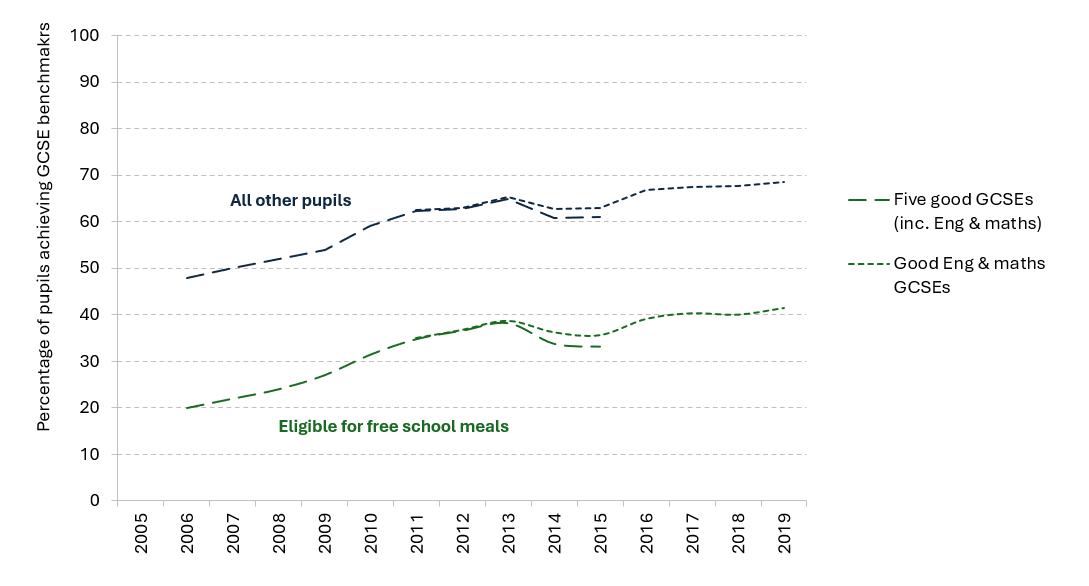
Sam Freedman has an excellent post on “The gap that never closes” in English education (see chart below). Many of the points are the same as made by my interviewees in the last issue of Re Education on examinations reform and why it is so difficult (spoiler alert : parents). Although there is understandable angst about the consistent gap, one good impact is the raising of the floor. Sam’s high-level conclusion : make examinations matter less. This is well researched, well-argued piece with resonance well beyond England.
Lee Crawfurd of CGD, a great champion of research into lead poisoning and education, has a new paper out. He matched data on polluted sites to the locations of schools across 17 low- and middle-income countries. About 1 in 10 schools, some 250,000 of them, sit within 5km of a known contaminated site - affecting millions of children.
Parthajeet Das writes an excellent Substack called It (Education) Matters. He writes in a very clear and readable way, jargon-lite. If you’re a practitioner working to implement education change, his latest piece on implementation is really worth a few minutes of your time.

Podcasts, Films and Books
99% Invisible and the BBC have teamed up for a series called “A History of the United States in 100 Objects”. Episode #5 is called the Blue Back Speller, a pocketbook that taught children to read, spell and pronounce words. First published in 1783 by Noah Webster (or Webster Dictionary fame), by 1861 it was selling a phenomenal one million copies a year.
This podcast, with historian Imani Perry, really uncovers the role of this book in the emancipation through education of black children (ironically something Webster would have probably opposed). And, it also traces another story, about the role of education in the debates between Booker T Washington and WB Dubois about the path to integration and equality through education. A really good listen.

And finally
Reader tip : some of the articles I link to have paywalls. If you have the Libby app you can often access those publications for free.
South African newspapers The Star, The Cape Times and The Mercury among others printed a special edition on June 1st called the Period Paper to highlight period poverty : a series of red stains seems to seep through each page (see Instagram post below). The articles pointed out that millions of schoolgirls in South Africa, and across the continent, can’t afford to use safe period products, saying “A newspaper can absorb the blood, but not the shame.” A powerful message delivered creatively.

If you know someone who would be interested in reading this newsletter, please pass on, by clicking the share button below. Subscription is free - subscribers receive each issue of Re Education automatically every month.